

4 ways to drive growth in the product adoption process!

4 ways to drive growth in the product adoption process!
This graphic introduces the key strategies for accelerating the product adoption journey for SaaS products.
To be sure, SaaS can still do more to lift adoption rates throughout the product adoption process. Currently, the average visitor-to-lead conversion rate hovers at 7%. Meanwhile, market leaders like Slack achieve 30%! But it’s easy to see how tools like app gamification and psychology can boost product adoption for SaaS.
In the previous article, we learned about the Product Adoption Curve and how it helps growth. Today, let’s discuss the best ways to optimize your product adoption process.
- What is the product adoption process?
- Why is my product adoption process important?
- The 6 stages of the product adoption process
- The 5 types of adopters you need to know
- The 4 crucial forces that influence the product adoption process
- How to drive product adoption for your new software
- 5 tried and true techniques to improve product adoption
- FAQ
What is the product adoption process?
The product adoption process is the journey of users becoming more aware of your product. At the beginning of their journey, users are unaware. They might not even realize they have a problem yet. However, the further they get in the process, the more aware they’ll become.
People are most aware when they’re avid users of your product and understand the full benefit of its features compared to alternative solutions.
Why is the product adoption process important?
The product adoption process is what drives revenue & growth for SaaS companies. Here you generate interest & demand and turn them into paying customers. Additionally, a great adoption process prevents churn by showing users the full value of your product first.
Power up your product adoption process! Check out our ultimate guide and discover how to increase SaaS product adoption.
The 6 stages of the product adoption process
Generally, you can organize how users adopt a product into 6 distinct sequences:
#1 Awareness
Firstly, users need to learn about you. But awareness gets harder every year as the market grows. In 2022, the number of SaaS unicorns is predicted to triple!
#2 Interest
Show users that you have a solution to their problem - and that you can solve it better than anyone else! This involves discussing your pricing and features, for instance.
#3 Evaluation
The potential customer now assesses if your product is worth the time and financial investment. Here, you should use social proof and illustrate use cases to persuade.
#4 Trial
Users now decide to try your free trial, sample, or demo. The more efficient your time to value is, the quicker users can evaluate if your product is what they want.
#5 Activation
By now, the user realizes what your value is. But have they experienced it? Before any long-term adoption is possible, they need to feel the AHA moment!
#6 Adoption
Maybe it was your customer support or use of exciting app gamification, but the prospect decides to stick with you. Congratulations, you have now successfully guided the prospect through the product adoption process!
Increase product adoption with app gamification! Start gamifying with an expert-led workshop by StriveCloud.
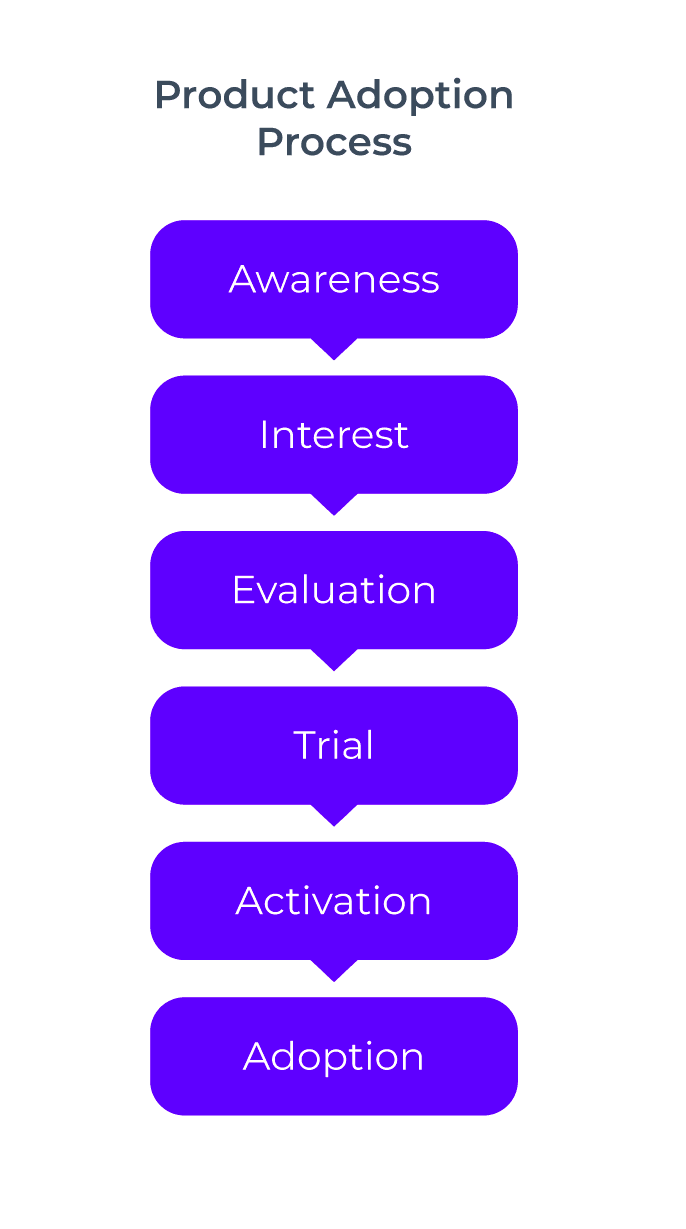
The graphic illustrates the six distinct stages of the product adoption process, from awareness to final adoption.
The 5 types of adopters you need to know
However, not all customers are equal. Clearly, an emerging product and a famous brand will attract different and distinct audience segments. Luckily, the unique segments are outlined in the timeless Product Adoption Curve model:
- Innovators. Tech enthusiasts and risk-takers searching for the best user experience possible.
- Early adopters. These users have issues they want to be solved, and they have the money to pay for them!
- Early majority. The early majority values credibility and continuity. Convince these slow decision-makers and your product will become a market leader.
- Late majority. A competitive disadvantage is what pushes late majority users to adopt. With smaller budgets, these users can’t afford a failed venture!
- Laggards. Laggards are older, risk-averse, and budget-conscious.
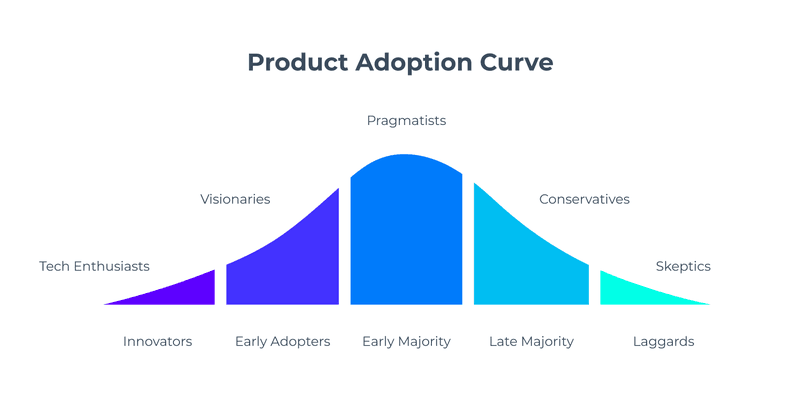
This diagram visualizes the different segments of product adopters, based on the classic Product Adoption Curve model.
The 4 crucial forces that influence the product adoption process
The product adoption process hinges entirely on very few critical decisions, and psychological factors play a huge part. To influence these choices, you can leverage these 4 forces and maximize your product adoption:
#1 Increase the push-away
In short, highlight flaws in the prospect’s current product! This can be done elegantly like in the case of the search engine DuckDuckGo. In their copy, DuckDuckGo pushes away by emphasizing that they value privacy (as opposed to other search engines, who could put your data up ‘for sale’).
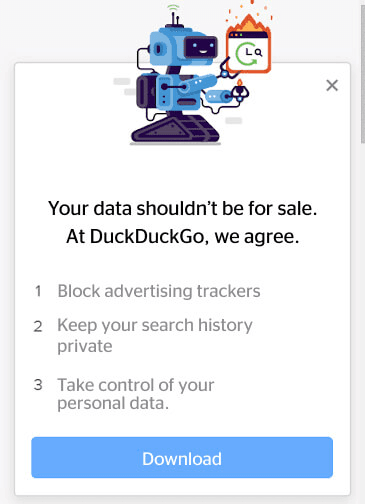
DuckDuckGo's landing page is a clear example of using a 'push-away' force by highlighting its commitment to user privacy.
#2 Build up your product magnetism
In essence, a pull force means making your value proposition so attractive that prospects are willing to put in the work of learning new software. Take Slack - just how did they achieve that 30% conversion rate mentioned earlier? Because they make their product sound so magnetic! In addition, they even include a push-away in the same line.
Slack - "It’s faster, better organized, and more secure than email - and it’s free to try."
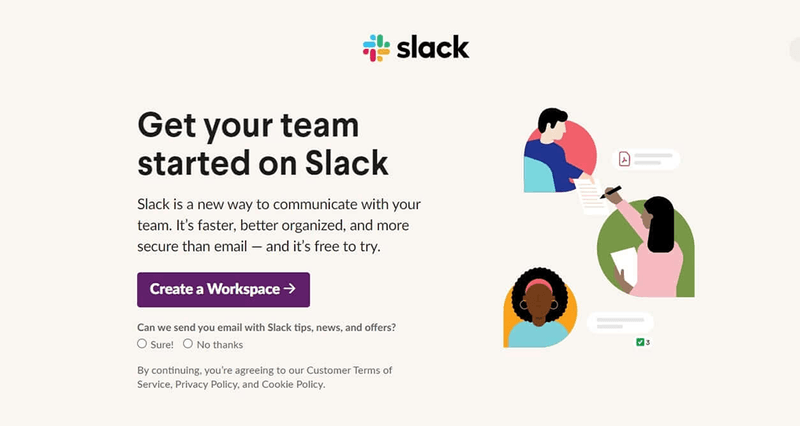
Slack's marketing copy demonstrates product magnetism by presenting a compelling and attractive value proposition.
#3 Decrease the fear of change
It turns out that avoiding loss is actually more motivating than making progress. In conclusion, people are often scared to change due to the sense of loss linked to it. This is especially true for the ‘late majority’ adopters. However, you can make the switch less scary with testimonials, trials, or even guarantees!
To provide an example, Grammarly calms its prospects by offering a free demo that requires no registration. Following Grammarly’s model could be a good idea - just last year the app was valued at a stunning $13 billion!
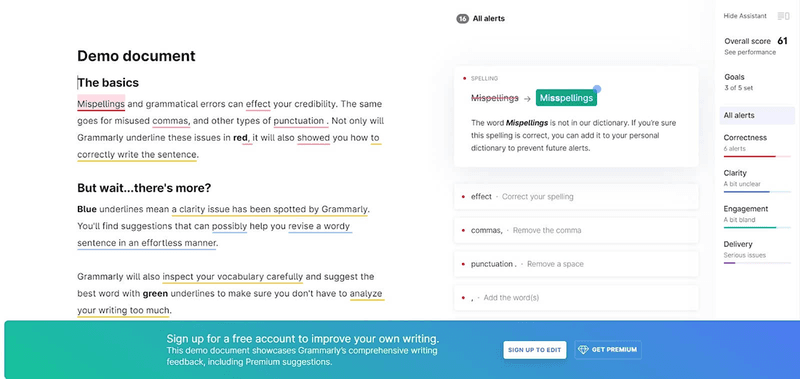
Grammarly effectively reduces the fear of change by offering a simple, no-registration-required demo to ease users into the experience.
#4 Decrease customer attachment to the status quo
Innovative products always face resistance. As a result, your product strategy needs to make the customer’s status quo less attractive. This force can be particularly powerful among late majority and laggard users, who are often more attached to their ‘normal’.
Github - "Figma has replaced the whiteboard for us."
To illustrate, the collaborative graphic design tool Figma shakes things up with social proof. Moreover, the use of testimonials from trusted companies enforces the persuasive idea that not using Figma puts you at a competitive disadvantage!
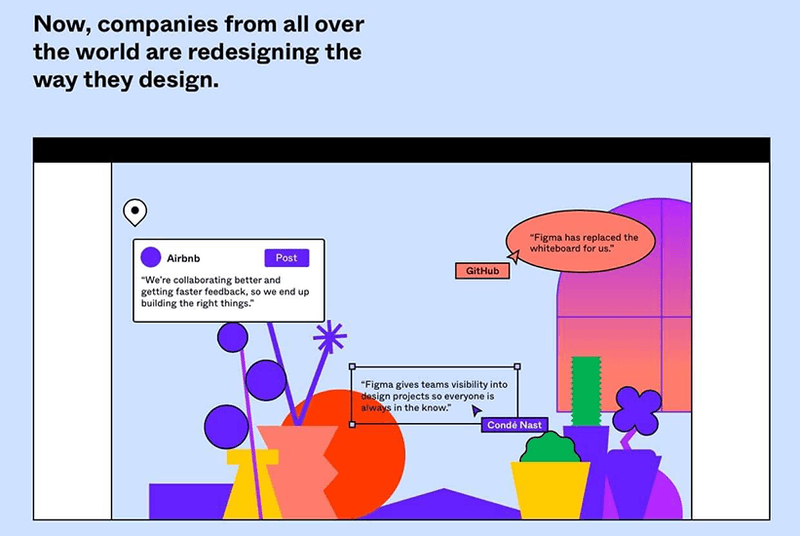
Figma uses testimonials from trusted brands like Github to decrease attachment to the status quo and create a sense of competitive necessity.
How to drive product adoption for your new software
Business wisdom tells us there are 5 concepts that impact the product adoption process:
Relative Advantage. Compared to the competition, is your product cheaper, more convenient, or higher in status? In short, that is a relative advantage.
Compatibility. Essentially, does your product suit the market’s culture? Usually, this is discovered through PESTLE analysis.
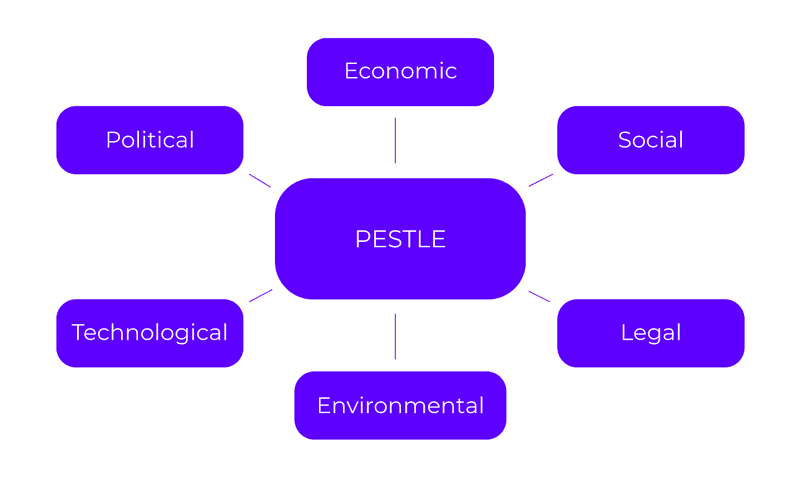
This chart outlines the five key concepts that influence the rate of product adoption, including relative advantage and compatibility.
Complexity. Is your user interface intuitive to use? Will users find friction in the user experience? To reduce complexity, keep your value proposition simple and clear!
Divisibility. If your product can be trialed, then users are more likely to give you a chance. Typically in SaaS, this comes in the form of free trials and freemium demos.
Communicability. Did you know that word of mouth results in 5x more sales than paid media impressions? But before you can benefit, users must be able to explain your value! Does your product pass the mom test?
5 tried and true techniques to improve product adoption
1) Optimize your onboarding experience with Churn Analysis
To discover if you are falling short by frustrating users in their first and most critical moments, use Churn Analysis. In short, this means analyzing each step of onboarding and tracking when and where users churn. By highlighting the largest drop-offs in user activity, you can find exactly what part of your product adoption process needs to improve.
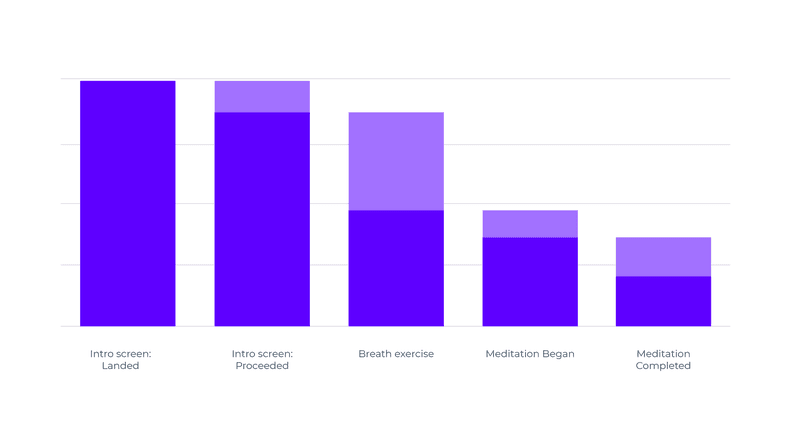
A churn analysis funnel helps identify where users drop off during onboarding, highlighting areas for improvement in the adoption process.
2) Learn how to improve your product!
Improving your product is harder than it sounds. To provide just one example, sudden updates that significantly change the UI can frustrate users. When you are improving your platform - as you should always be - there are some ways to do it so you don’t threaten the product adoption process:
- Add new features based on user feedback. Forums for users are a powerful guide to future tweaks, especially when you have innovators on board.
- Validate features before launching. Before spending lots of time in development for a feature users don’t want, try and add a “fake” button or waiting list in your product. You’ll get to see how many users show interest in a feature before building it!
- Focus on increasing usage frequency. Every unused feature is wasted money in a customer’s mind. Make features more appealing by upping the value - for example with personalization or an integrated layer of fun app gamification.
3) Drive user motivation with app gamification
App gamification makes your app intrinsically motivating. In other words, users enjoy interacting with your app because of the experience and not just the end result. You can do this through gamified rewards, messages, or even challenges. Basically, a feeling does more than a thousand words.
Email software Superhuman for instance stays focused on its goal of hitting inbox zero. When users eventually get there they get to experience a sense of relief with a gorgeous and serene reward screen. It’s a free and easy way to incentivize user engagement!
Rahul Vohra, Superhuman CEO - "We obsess about how users feel. What we make users feel is just as important as what we make. And what we actually make is joy, in software form."

Superhuman uses a rewarding visual, an example of app gamification, to celebrate when a user achieves 'inbox zero,' motivating continued use.
Creating a great platform has never been easier! Boost product adoption with our app gamification software.
4) Make support more accessible
There’s a reason live chats have the highest satisfaction of any support channel - they’re fast, easy to find, and responsive! Furthermore, every minute that a user spends frustrated on your platform with an unsolved problem is a minute that they don’t feel your value!
5) Retargeting campaigns can catch every user
Past studies show that about 26% of retargeted prospects will return and purchase from you. Therefore, this group should not be ignored! In practice, they need a product adoption process tailored to their level of awareness. Because these users are already aware of your product, your messaging and positioning should differ. For example, you could use a different landing page to ‘Welcome Back’ these users.
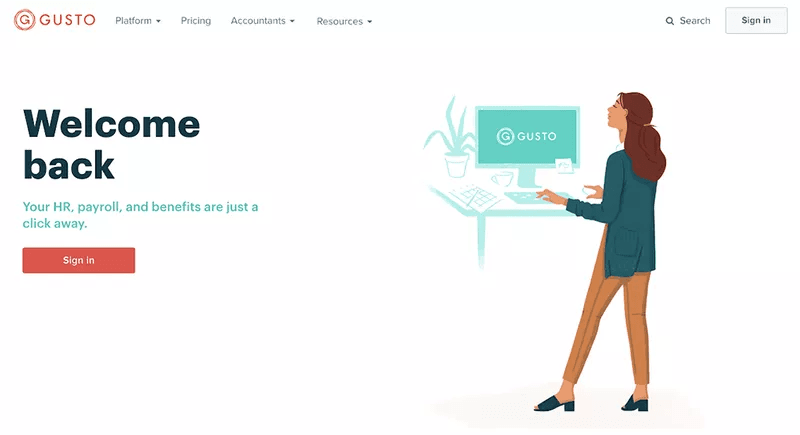
This example from Gusto shows a 'Welcome Back' landing page, a retargeting technique tailored for users who are already aware of the product.
FAQ
What is the product adoption process?
The product adoption process is the journey of users becoming more aware of your product. At the beginning of their journey, users are unaware. They might not even realize they have a problem yet. However, the further they get in the process, the more aware they’ll become.
Why is the product adoption process important?
The product adoption process is what drives revenue & growth for SaaS companies. Here you generate interest & demand and turn them into paying customers. Additionally, a great adoption process prevents churn by showing users the full value of your product first.
What are the most important forces that influence the product adoption process?
These 4 crucial forces impact how motivated a user is to adopt a product: if users are pushed away from their existing product, pulled by the magnetism of your product, the customer’s fear of change, and finally attachment to the status quo.
Related Posts
Data survival: how to handle the death of the cookie
In 2021, the largest play in the web browser market Google Chrome will kill third-party cookies. They follow the example of both Safari and Firefox which have already dropped cookies last year. 2021 is the final countdown for marketers! You need to find ways of enriching your data with first-party cookies. So, how do you get your audience to share their data with you? And why should you start collecting first-party data now?
How mobility app HumanForest is using gamification to make the world a better place
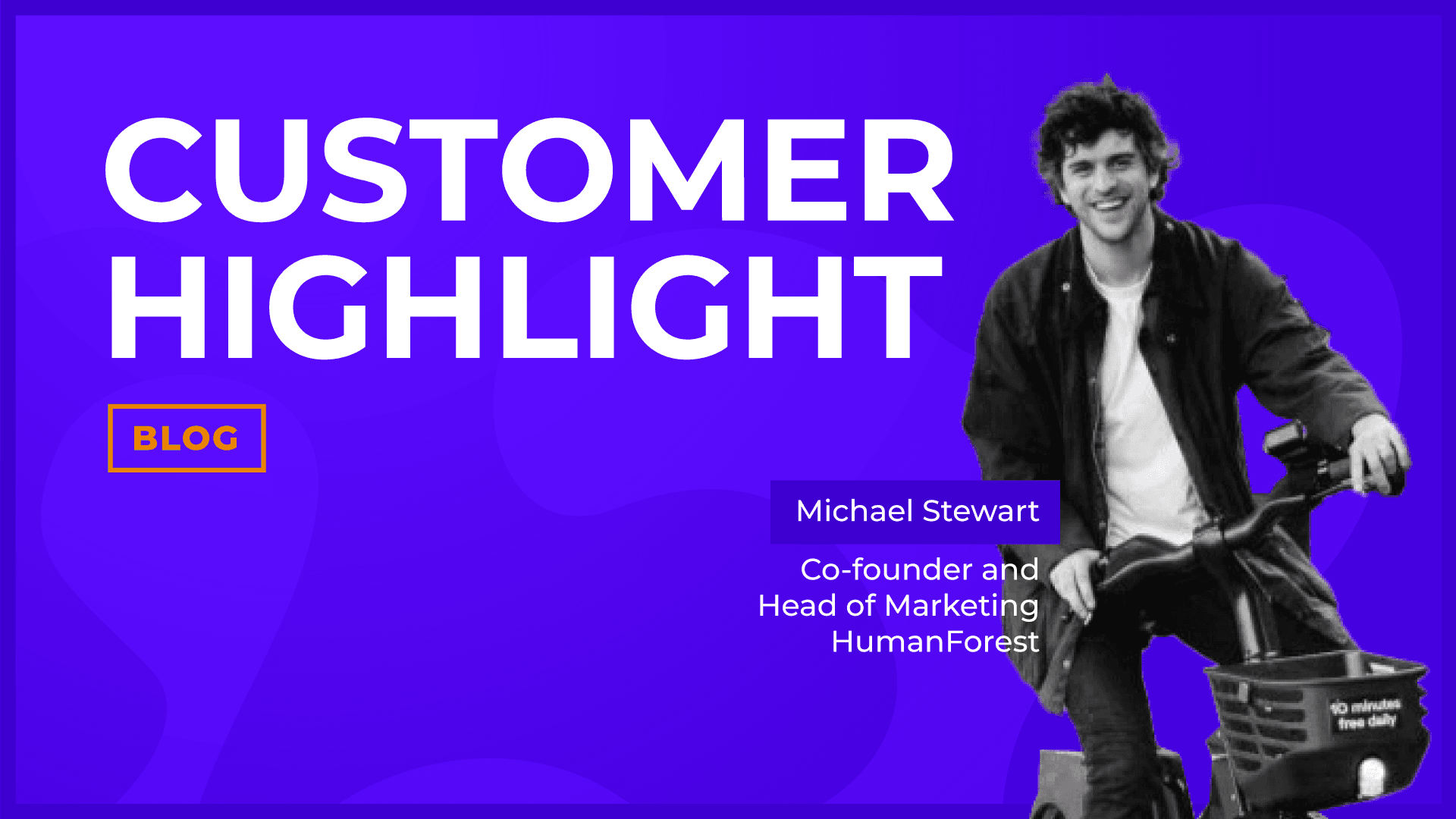
HumanForest is a new micro-mobility app, backed by all of Cabify's co-founders. The team is dedicated to driving sustainable behaviors. While their bikes are powered by renewable energy, their app is powered by gamification!