

6 powerful psychological triggers designed to boost user activation

6 powerful psychological triggers designed to boost user activation
Understanding the psychological drivers behind user behavior is essential for improving activation and engagement within any software application.
- The 2 major factors that affect activation rate
- How to address your users to spark user activation
- 6 psychological triggers for user activation in SaaS
- Why gamification? - How gamified features trigger user activation
- Get optimizing with StriveCloud’s gamification solutions
- FAQ
The 2 major factors that affect activation rate
Behavioral science researchers have been exploring the topic of motivation for decades. One of those researchers is Dr. BJ Fogg, a social scientist from Stanford University. He created the Fogg Behavior Model (FBM), a popular model that maps someone’s motivation and ability to complete an action against their likeliness to actually carry it out. For a user to take action, these 2 major factors have to be in place.
Based on these insights SaaS companies have been experimenting with new tactics in hopes of finding the ultimate psychological triggers for user activation.
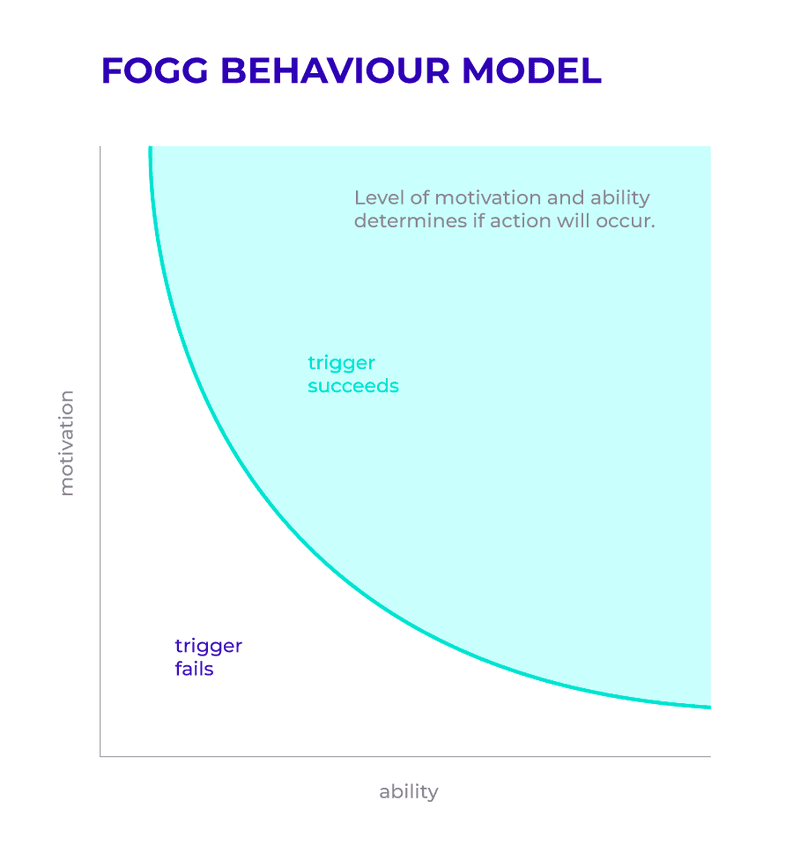
The Fogg Behavior Model shows that for an action to happen, a user needs sufficient motivation, ability, and an effective prompt to trigger the behavior.
In essence, it notes that you must encourage your users to action, while also creating the circumstances where reaching the activation point is possible. In other words, if you make something either too hard or too boring, users will lose interest. However, a gamified approach can help you boost motivation & therefore drive user engagement & activation.
Looking at your software through the FBM, you can pinpoint where to place your interventions. For example, gamified features like challenges can boost interest & motivation when the task in itself seems boring.
In conclusion, there are two ways to go about this. To start, keep your user interactions easy. You can gradually build up more intense tasks when a user’s ability or motivation is already at a higher level. Secondly, boost motivation with a gamified strategy. Read on to learn how you can get started!
How to address your users to spark user activation
To initiate your user activation strategy, you must first know who your users are and what makes them tick. With that, you can segment users by target group, user persona, and even their position in the customer journey.
That information will define how to address your users, and which psychological triggers to leverage for user activation. Without a doubt, your activation & user engagement strategy should start from the very first moment users interact with your software.
Think of your website’s landing page, user onboarding, and a user’s first experience of the key functions of your product. Gamified onboarding for example ensures that a user completes key activation moments in their journey! You can use different tools here. From push notifications to emails, or a cleverly timed tooltip. The most important thing is your triggers should always be contextual, taking into account the users’ current status & abilities.
What is your AHA moment? Check out our ultimate SaaS user activation guide & start optimizing!
6 psychological triggers for user activation in SaaS
User activation is the bridge between acquisition and retention - and psychology can help you motivate your users along that journey faster. To facilitate those AHA moments, use these 6 psychological triggers for user activation:
1. Reciprocity: You give some, you get some
75% of SaaS businesses offer a free trial - a classic example of reciprocity. In short, offer users something for free in the hope that value makes them subscribe. Double down on reciprocity by delaying registration and giving your platform a personable face. People are more likely to return the favor if they feel there is a person on the other end!
Let’s look at Bench for instance. This financial management software activates prospects by promoting the platform’s value alongside pictures and videos of the company’s employees. In other words, share information about your platform, and users will share information about themselves. This builds the foundation of a great customer relationship!
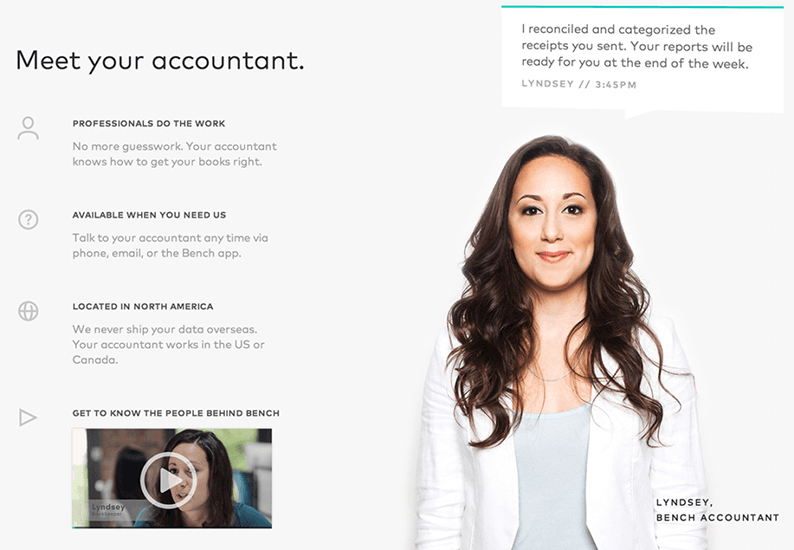
The Bench website demonstrates reciprocity by featuring its team members, creating a human connection that encourages prospects to start a trial.
2. Commitment: Get your users invested in their journey
What is the best way to get users to commit to your platform? Well, start off easy by having the user commit to something small. This could be completing their profile, or setting up an integration. Of course, it all depends on what your AHA moment is!
Then, steadily drive up user engagement with a gamified experience. Reward users for investing time and effort in your platform. The more they use your software, the better their experience will become which ultimately results in retention & happy customers!
Basecamp for instance asks users why they need their project management tools. It shows users that Basecamp is as committed to your goals as you are.
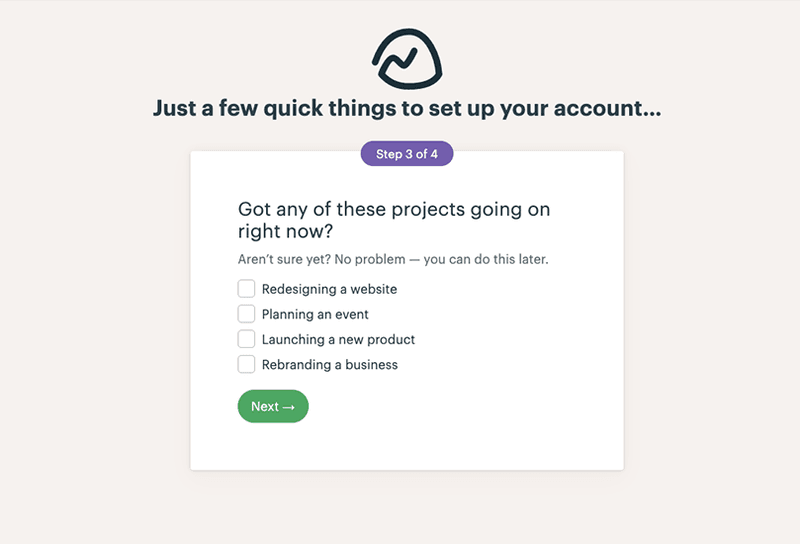
This example from Basecamp's onboarding asks users about their goals, establishing an early commitment that fosters deeper engagement with the platform.
Build your gamified strategy on human psychology. Book an expert-led workshop & learn how to drive user activation with gamification!
3. Social Proof: Testimonials build trust
The idea behind social proof is simple. When people are uncertain, they look to others for advice - and you can help provide that! For instance, you might doubt the capabilities of specific software, so what do you do? Indeed, look for reviews, people, or companies that you know who have used the software!
The popular interface design software Figma for instance shares how big brand names like Dropbox, Mailchimp & others used their software for different use cases.
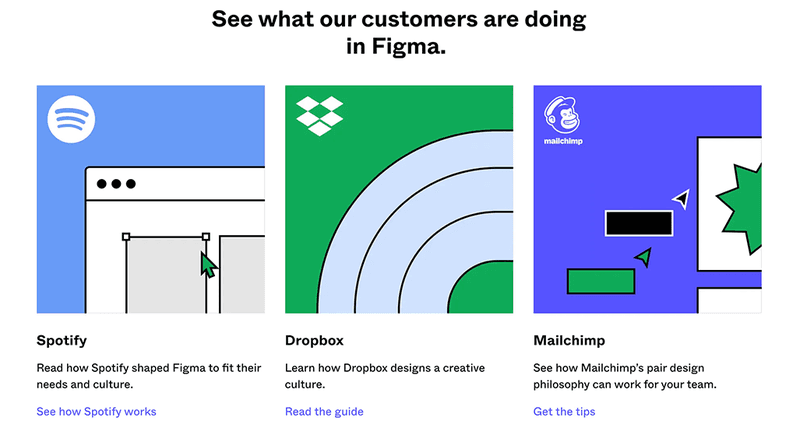
Figma effectively uses social proof by displaying logos of trusted brands, which helps build credibility and encourages new users to sign up.
4. Liking: Be fun and personable!
We are more easily persuaded by someone we like. Your relationship with your customers shouldn’t be purely professional and transactional. Fun is contagious. That’s why sales or customer success people (try to) smile on the phone! You could do the same for your SaaS!
For example, hook your users by having a likable personality like file transfer service WeTransfer. Their landing page is known for featuring attractive and sometimes interactive art. When users like the art, they like WeTransfer’s platform - and then they would like to come back!
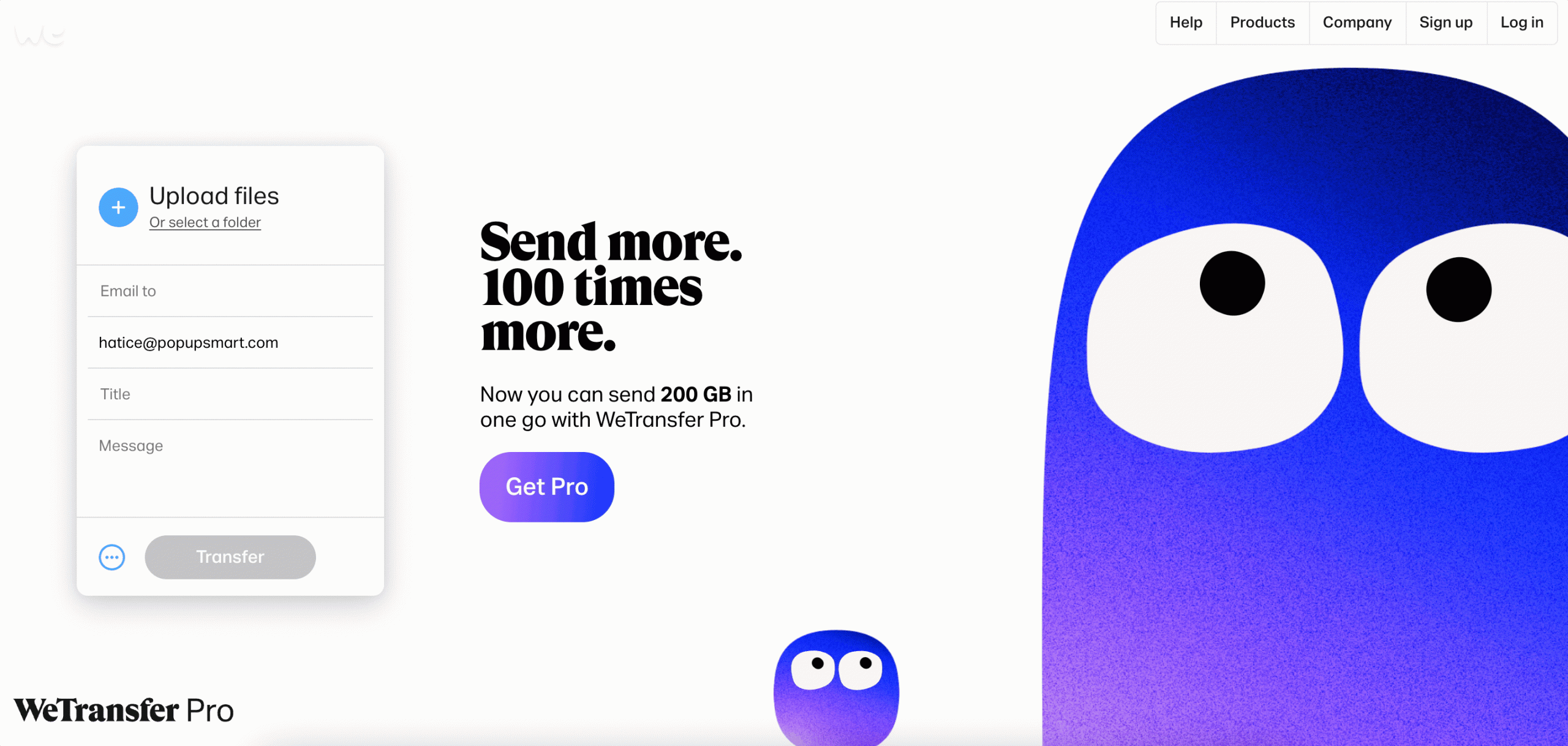
WeTransfer’s use of artistic and interactive backgrounds on its landing page creates a positive and likable brand experience, encouraging repeat visits.
5. Authority: Look to the experts
Capitalize on the sway of influential leaders. It is common for SaaS to have celebrities and experts front their product in the hope that their recommendation improves brand trust. Indeed, trust is the second biggest factor in purchasing decisions, behind only price.
For DocuSign, an eSignature SaaS, examples of authority are used to assuage privacy and security concerns by directly showing that the world’s top companies trust them to handle their sensitive information. If they trust us, why shouldn’t you?
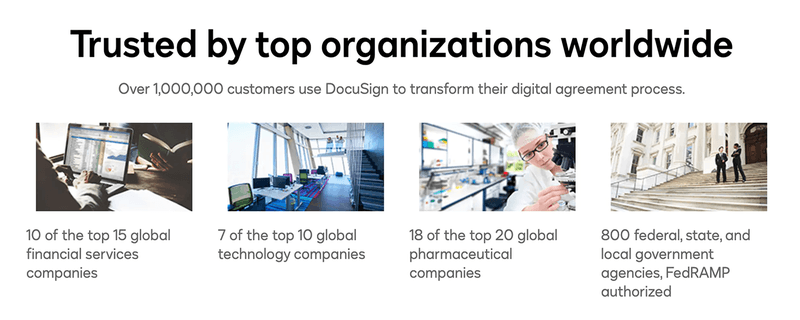
DocuSign establishes authority by showcasing the top companies that trust its services, effectively easing security concerns for potential customers.
6. Scarcity: Take action while you still can!
People want the things they can’t have the most. That’s why we like ‘limited edition’ or ‘exclusive access’. This stems from an internal fear of missing out. In fact, we’re actually more driven by loss avoidance than actual rewards. Therefore, scarcity is a great psychological trigger for user activation.
Imagine for instance you lose access to one of the most sought-after email tools in the world. Enter Superhuman! The platform has a waiting list of over 450,000 people for its webinars and places are limited. But some users benefit from a queue jump, and this kicks off a mutually beneficial brand relationship. In short, they spend more time on onboarding but it ends up in better qualified and happier users. Win-win!
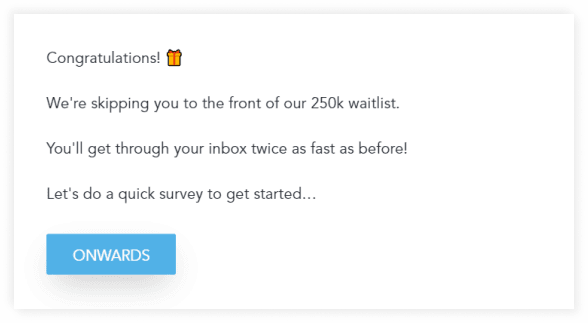
By creating a long waitlist, Superhuman leverages the principle of scarcity to increase the perceived value and desirability of its product.
Looking to drive user activation? Gamify! Build your own gamification strategy during our tried & tested workshops!
Why gamification? How gamified features trigger user activation.
Gamification solutions are emerging as a way for SaaS companies to improve user engagement & activation. Modeled on the research of behavioral psychology, gamified elements like leaderboards, points, and rewards systems derive their power from common psychological triggers and human needs.
Gabe Zichermann, gamification expert - "Gamification is 75% psychology and 25% technology."
In brief, gamification is designed to satisfy 3 major psychological motivators:
- Autonomy. People like being empowered with a choice - and this motivates them to stick to their goals. Personalization and custom rewards achieve this.
- Value. Show the user your value to them and their value to you! Reward them with badges and points, and let them socialize to buff up their social status.
- Competence. The need for personal growth is a powerful motivator. Gamified elements such as progress bars, challenges, and levels can test and track user competence.
Ultimately, these gamification solutions serve as a powerful psychological trigger for user activation. It starts by rewarding user engagement and eventually turns into a habit. It sets up a positive feedback loop in which users are motivated to take action, which, as a result, increases the value of their next interaction.
Get optimizing with StriveCloud’s gamification solutions
Building a gamified SaaS product doesn’t have to be development hell. With our gamification solutions, you can easily introduce, tweak, and experiment with various gamified elements to see what works best for you.
Pieter Verheye, Community Manager @Kayzr - "By gamifying the user experience, StriveCloud helped us grow our user base by 350%."
Activate your audience with features like timed challenges, reward programs, and personalized notifications to make your brand message real! For Kazyr, our gamification solutions led to tremendous user growth and a 60% jump in daily active users!
Building a gamified experience has never been easier - Discover our gamification solutions & start driving user engagement!
FAQ
What factors affect user activation rate?
Behavioral psychology says that the two necessary psychological triggers for user activation are motivation and ability. In short, users need the motivation to perform a task and the ability to undertake said action. It’s your job to ensure they have both!
How to address users to spark user activation?
To address your users, you need to know who they are and what makes them tick. With that, you can segment users by target group, user persona, and even their position in the customer journey. All this will inform your strategy.
What are psychological triggers for user activation?
There are six major psychological triggers for user activation. Reciprocity, when you give something to get something back, commitment, social proof that builds trust, authority to lend your brand credence, being likable, and scarcity to provoke urgency.
How do gamified features inspire user activation?
Gamified features inspire user activation through empowerment. People like autonomy and it gives them ownership over their journey. In addition, gamified elements like badges, points, and rewards create user value. Lastly, features like challenges activate users by testing their competence.
Related Posts

15 App engagement strategies (to make your mobile app sticky in 2025)
On a monthly basis, the average person uses only 30 of their 80 apps. It's the biggest challenge facing apps today! To get past this hurdle, you need to make your app sticky. Here are 11 app engagement strategies to get you started!
Data survival: how to handle the death of the cookie
In 2021, the largest play in the web browser market Google Chrome will kill third-party cookies. They follow the example of both Safari and Firefox which have already dropped cookies last year. 2021 is the final countdown for marketers! You need to find ways of enriching your data with first-party cookies. So, how do you get your audience to share their data with you? And why should you start collecting first-party data now?